Bank of Portraits / Ruzhanskyi Hryhorii
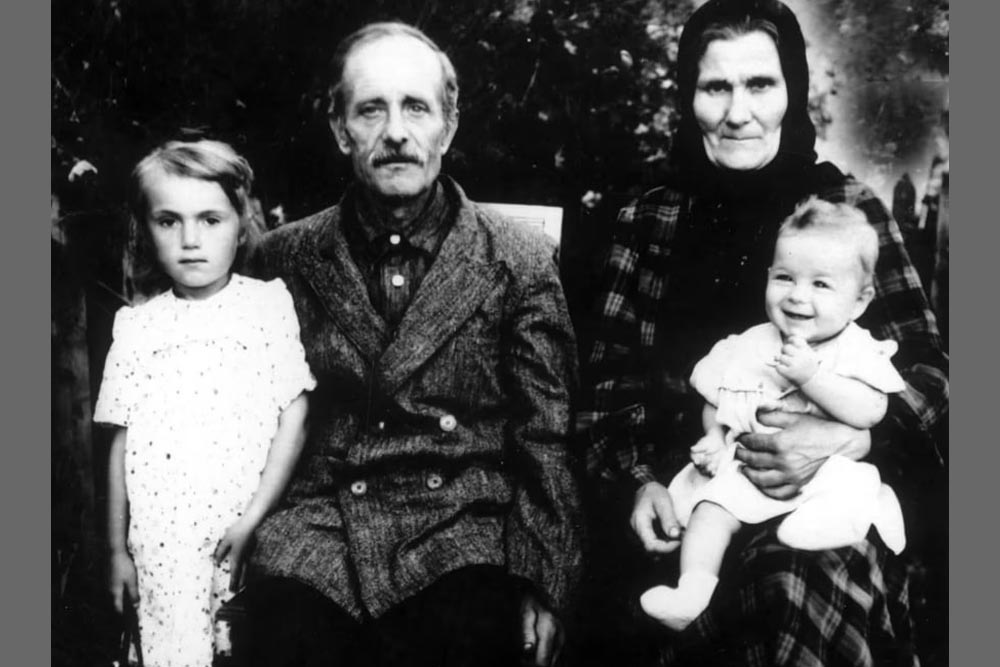
Ruzhanskyi Hryhorii
On the eve of the German occupation, about 4 thousand Jews lived in the city of Bar in Vinnytsia, which was more than 40% of its population. Few of them managed to evacuate to the east before the Nazis arrived – July 16, 1941. In September, the city was conditionally divided: the railway station and the surrounding area went to Romanian-controlled Transnistria, while the rest of the territory remained under German occupation. One of the first orders was directed against the Jewish population: restrictions on movement, a ban on contact with non-Jews and receiving medical care. Jews were required to wear identification marks: first, an armband with a blue Star of David on the sleeve, later – two stars, front and back. For the purpose of accounting and use of labor, the entire community was divided into three categories: specialists, artisans and “others”. On December 15, 1941, the creation of three ghettos was announced.
Yakiv Felberh, along with his wife Khaia and daughters Khana and Betia, were classified as “others.” The ghetto where they were held was surrounded by guards on August 19, 1942. All prisoners were gathered in the square and subjected to selection: children under 16 and men and women over 60 were selected, and then they were shot in trenches prepared in advance outside the city. Among those killed that day were Yakiv’s mother and other relatives. Khana (then 18 years old) and Betia (she was 16) were warned about the next shooting, scheduled for October 15, 1942, by the German engineer Peter Knekhten, who was in charge of the construction of the railway branch. The girls passed this information on to their parents, and that same evening the family managed to get out of the ghetto and hide with Ukrainian acquaintances.
The next day, the Felberhs heard machine-gun fire from their hideout. It later became known that about 2 thousand people were killed at that time. With the onset of darkness, their acquaintances asked the Jewish family to leave the shelter. Yakiv Felberh took his wife and daughters to the Riv River and, leaving them on the shore, set off to swim to the island where the fishing hut of his pre-war friend Hryhorii Ruzhanskyi stood (the weather in October 1942 in Podillia was, it must be said, quite favorable for swimming in water bodies, even hot). After a while, a boat with a man appeared on the horizon. It was Hryhorii. He transported the women to the island, and at dawn he ferried the entire family across the river across the border between the German and Romanian occupation zones, to the village of Balky. From there, the Felberhs continued their journey on foot. A few hours later, they reached the village of Popivtsi, where there was a Jewish ghetto. Local Jews gave them a place in a small house, where 20 people already lived. On the eve of winter, Yakiv decided on a desperate step – he returned to the city of Bar to pick up some valuables hidden in the territory of the liquidated ghetto. And again, Hryhorii Ruzhanskyi helped him first get to the town, and then cross the river back. The family managed to survive until the expulsion from the region by the occupiers in April 1944. After the war, the Felberhs returned to their hometown and gradually rebuilt their house. After the death of their parents, Khana and Betia, emigrated to the USA, but still maintained contact with the descendants of their savior.
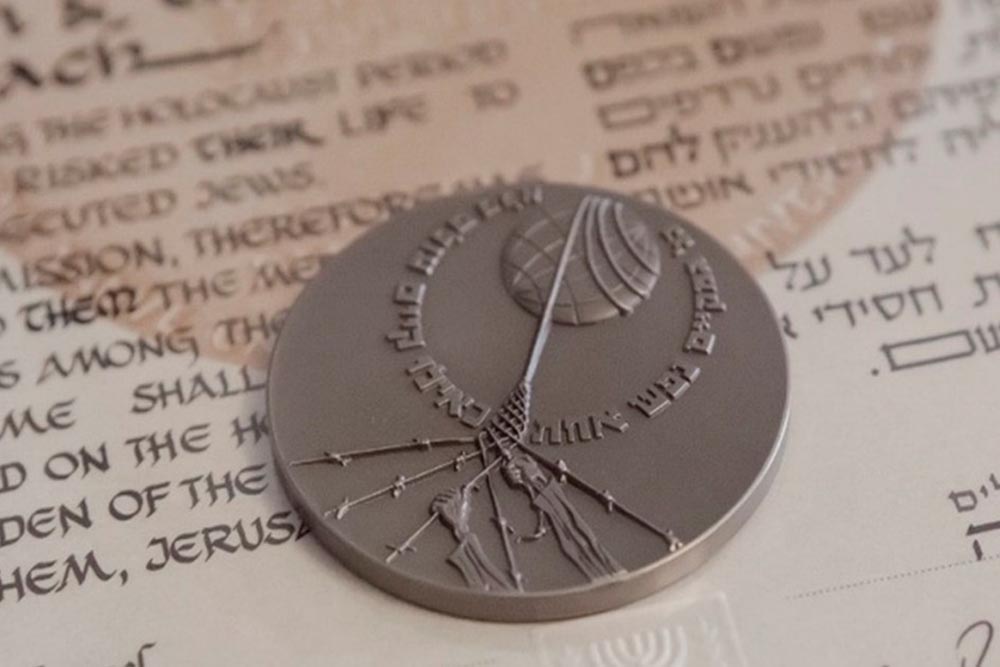
In 2007, Yad Vashem recognized Hryhorii Ruzhanskyi as Righteous Among the Nations.
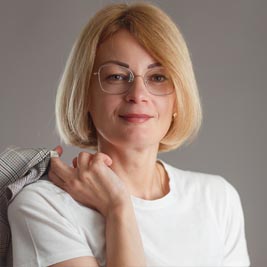
Svitlana Demchenko
Kyiv
The National Museum of the History of Ukraine in the Second World War
-
fingerprintArtefacts
-
theatersVideo
-
subjectLibrary