Bank of Portraits / Lupenko Afanasii

Lupenko Afanasii
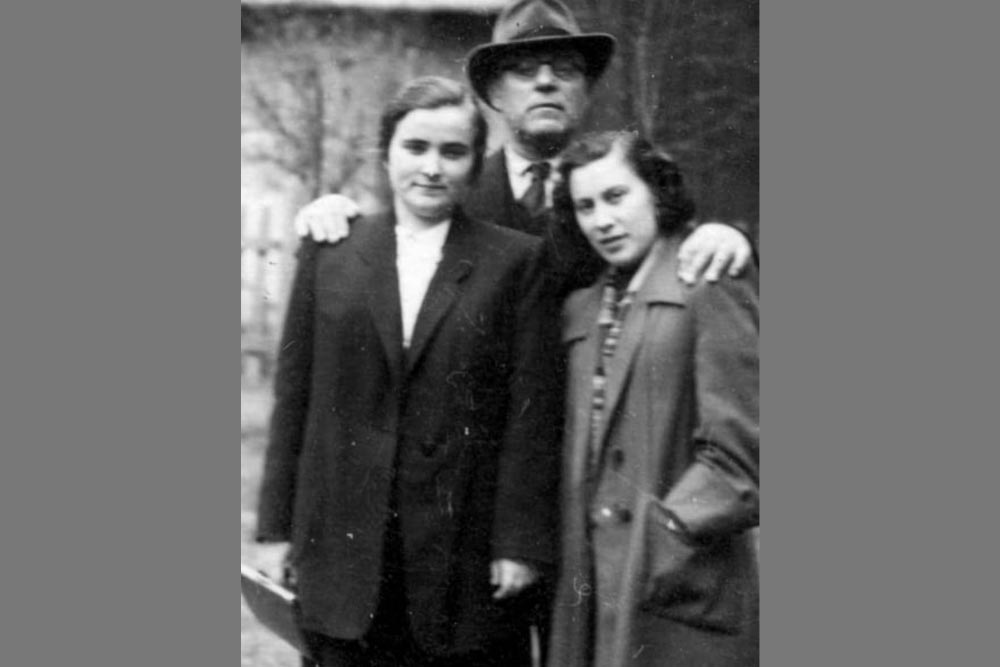
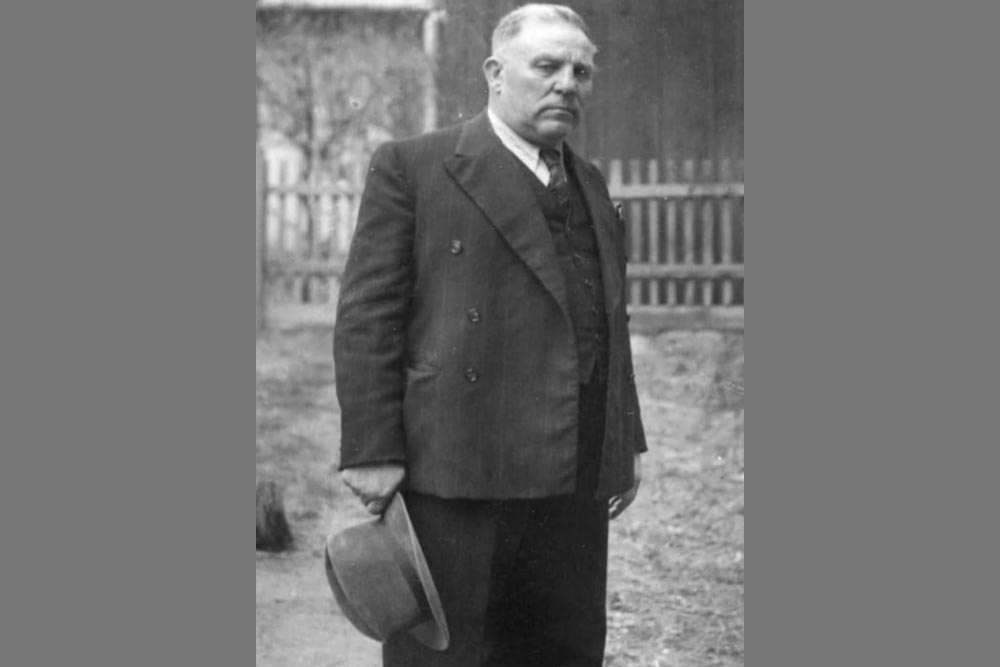
Afanasii Lupenko and his Jewish wife Hana Leiia Nester lived in the city of Mohyliv-Podilskyi in the Vinnytsia region. He worked as a veterinarian. In 1936, the couple had a daughter, Maiia. In the first weeks of the German-Soviet war, the family tried to evacuate, but the front was approaching very quickly, so after reaching the city of Sharhorod, she had to return home. Together with the Lupenko family, Khana's sister Sara and her seven-year-old daughter Liuba returned to Mohyliv-Podilskyi. As it turned out, Afanasii's home was already occupied by other people. So he decided to settle with his family in the premises of a veterinary hospital on the outskirts of the city. He placed Sara and Liuba in the stables next to the hospital, while Hana and Maiia lived openly. Afanasii hoped that none of the locals would report his wife's nationality to the occupation authorities. The villagers who asked for help in treating their livestock mostly kept quiet, because they knew Afanasii as an experienced doctor and a good man, and the Romanian soldiers, who sometimes brought their horses to the vet, did not even suspect that a Jewish woman could live openly.
During the occupation, Athanasii also helped Khana's brother Pinkhas Nester. To save his family from deportation, he rented an apartment in the city in his own name and provided Pinkhas, his wife, and son with food and everything they needed until the threat passed.
After the war, the Lupenko family settled in Chernivtsi. Afanasii died in 1972 and was buried in the Jewish cemetery. After the death of her parents, Maiia Lupenko and her cousin Liuba emigrated to Israel.
In 2001, Yad Vashem recognized Afanasii Lupenko as Righteous Among the Nations.

Svitlana Demchenko
Kyiv
The National Museum of the History of Ukraine in the Second World War
-
fingerprintArtefacts
-
theatersVideo
-
subjectLibrary