Bank of Portraits / Karpun Pylyp and Karpun Maria
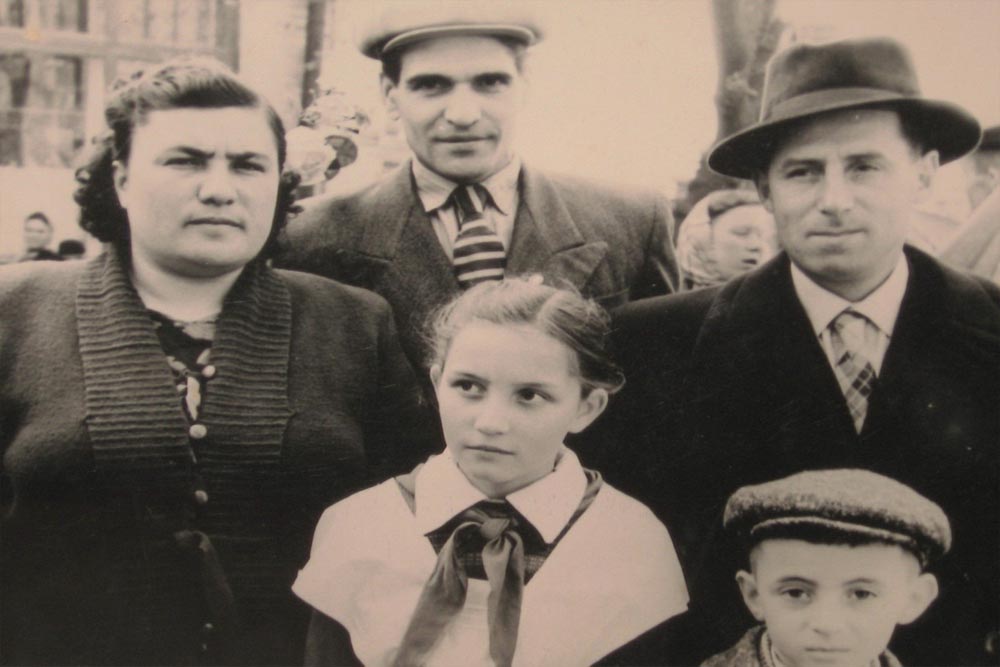
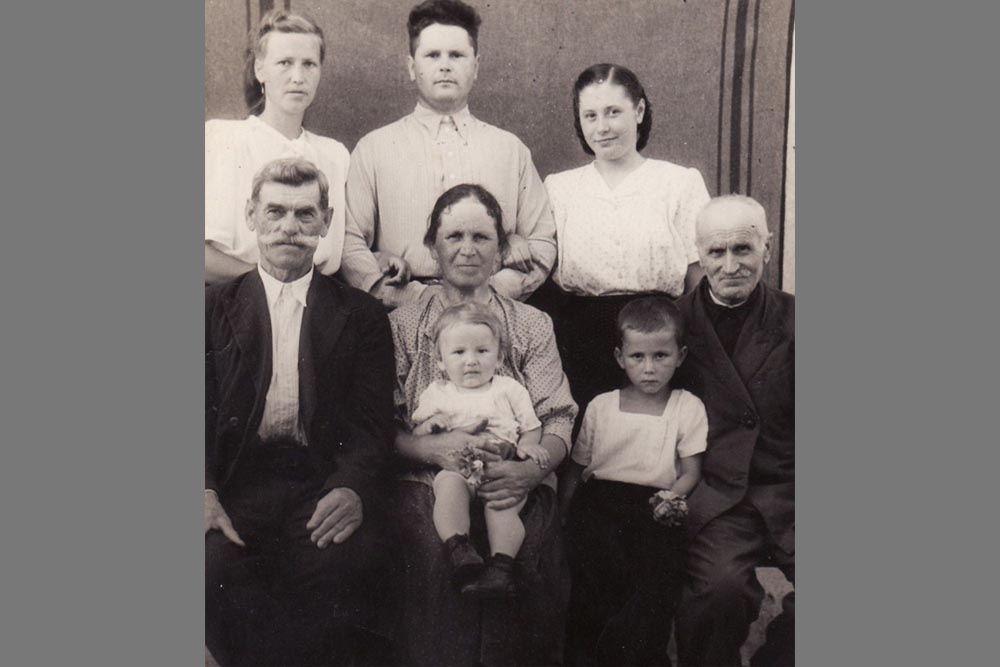
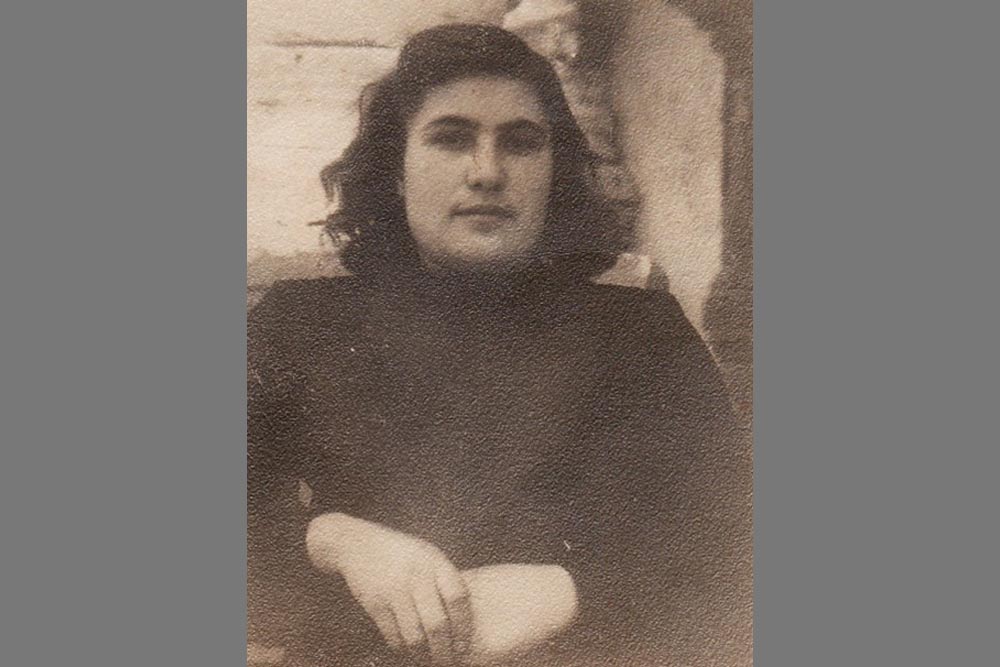
Karpun Pylyp and Karpun Maria
Pylyp and Maria Karpuns lived in the village of Konela in Kyiv region (now Uman district of Cherkasy region). Troops of the Wehrmacht occupied the settlement in July 1941.
On May 22, 1942, by order of the German administration, all local Jews had to come with documents at the synagogue to clarify their data and form registers - they were supposedly going to be resettled to Palestine. Those who obeyed the order had no idea what fate awaited them in reality. After checking those present against the list, the Nazis locked them in the synagogue and set out in search of those who had ignored their orders. After dusk, the Jews were taken out of the village by carts under guard and all were shot in less than an hour. More than 70 families became victims of the Nazis at that time. Among the executed were, in particular, the wife and daughter of the postman Moisei Hrabov (the man died in July 1941 - during the offensive of German troops, from the explosion of a tank shell). Moisei's wife managed to hide the couple's other daughter, Sheiva, from the raid in a cellar in one of the courtyards of the village of Konela near her own house. As soon as she went outside after the bloody events, the girl saw that the occupiers were already waiting there. Frightened, she ran to her neighbors - Pylyp and Maria Karpuns - and began to beg for help. The owners hid the fugitive. In bed, covered with blankets, she snuggled up to Pylyp, who pretended to be sick with typhus and told the occupiers and police that he was lying in the bed because he had a fever. This way, the man discouraged the uninvited guests from searching the entire house, so in the end they simply threatened: “If she shows up, you’ll let me know.…”.
The Karpuns called the girl Ania. They hid her mostly in a barn, and sometimes, when the Nazis came with searches especially often, by the river in a small natural cave, the passage to which was covered by a high bank, vines, and bushes, and besides, it was necessary to wade through shallow water to get there. Pylyp himself once hid in that shelter – in 1918 – also from the Germans.
The police visited the Kaprun’s home often. One of them, Mina Krokhmalny, once grabbed Pylyp by the neck and, threatening him, even fired a pistol into the ceiling: he demanded Pylyp to report on the Jews. It became completely dangerous to hide Sheiva any longer, so the couple decided to provide her with the necessary things and food and send her to the neighboring village of Zelenyi Rih, to their acquaintances. The girl lived there for a while, but soon, under a different name and surname, she was sent to forced labor in Germany. From June 1942 to November 1944, she worked at a factory in Neustadt an der Donau. There was another man from the village of Konela at the same enterprise, so Sheiva was afraid that the acquaintance would reveal her Jewish origin. As Ostarbeiter she was liberated by the Allied troops. In 1945, she returned to Ukraine, and on December 13, 1946, she moved from the village of Konela to the town of Uman.
Pylyp and Maria considered Sheiva-Anna their daughter, and she called them her parents and visited them from time to time. Their own children were also familiar with her, and she loved the Kaprun’s grandchildren very much. The Ukrainian family maintained communication with the rescued Jews even after she moved, but in the 1970s it ceased. In 1978, Sheiva-Anna died.
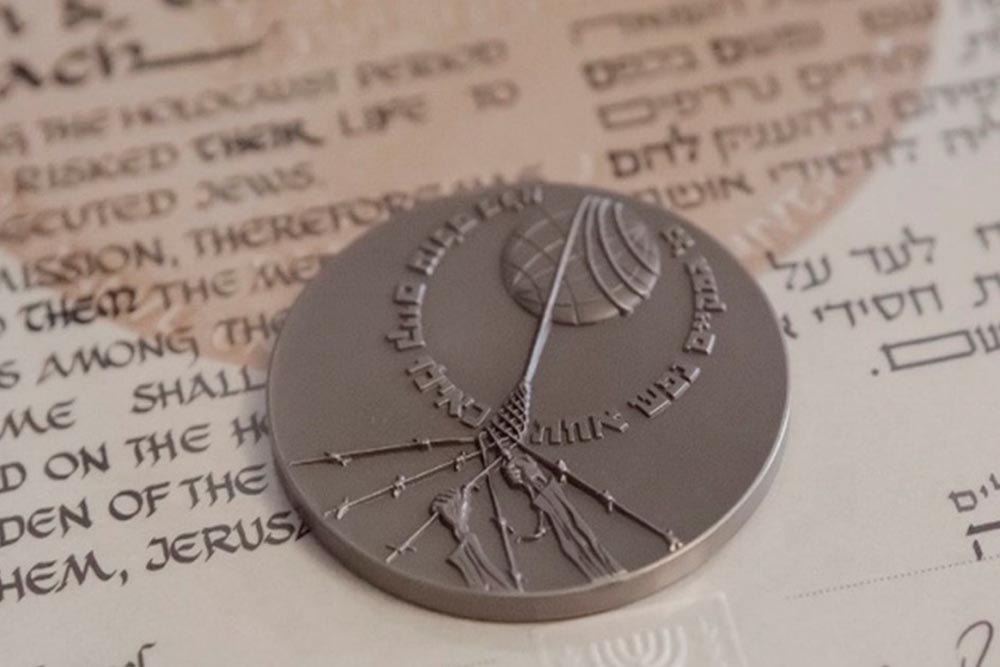
The family history of the rescue was researched and preserved by the grandson of Pylyp and Maria Karpuns, Oleh. This was he who submitted the testimony of the family's feat to the Jewish Council of Ukraine. By its decision in 2011, Pylyp and Maria Karpuns were posthumously awarded the title of Righteous of Ukraine.

Rostyslav Dudenko
Kyiv
The National Museum of the History of Ukraine in the Second World War
-
fingerprintArtefacts
-
theatersVideo
-
subjectLibrary